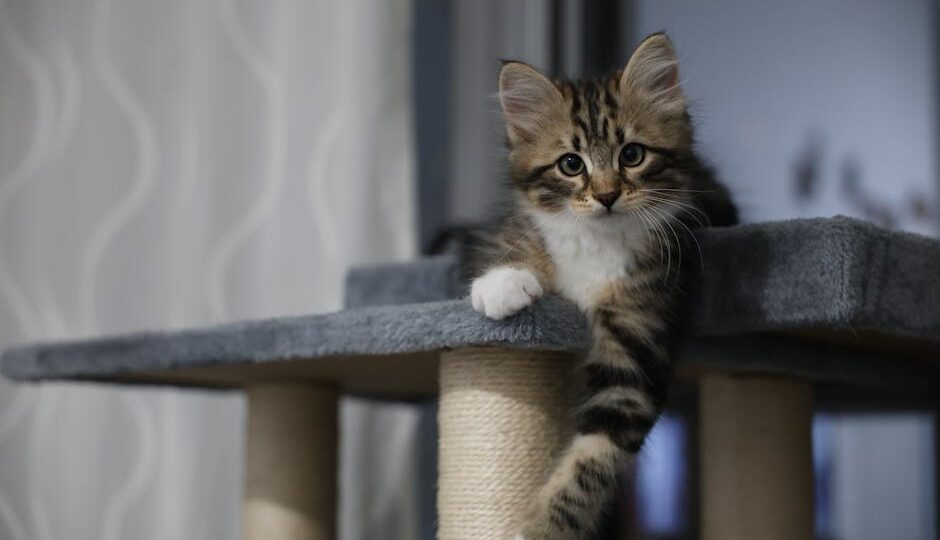
7 Mistakes to Avoid When Introducing a Kitten to Your Home
Bringing a new kitten into your home is an exciting event filled with purrs and tiny, playful paws. As you welcome this bundle of joy, it’s crucial to ensure that the transition is smooth for both you and your furry friend. However, amidst the excitement, some common pitfalls could make the introduction challenging. Here are seven mistakes you should steer clear of to keep your kitten happy and healthy.
1. Neglecting to Kitten-Proof Your Home
Just like baby-proofing a house, making your home safe for a kitten is essential. Kittens are naturally curious and will explore every nook and cranny. Without adequate preparation, they might find trouble in unexpected places. Common household items like electrical cords, small objects they might swallow, or open windows can pose significant hazards.
Start by securing loose wires with cord protectors, ensuring windows are closed or fitted with screens, and keeping small items, such as jewelry or office supplies, out of reach. Consider buying childproof locks for cabinets that house cleaning supplies. Think of it as a treasure hunt for potential dangers, and you’ll be on the right track.
2. Introducing Them Too Quickly to Other Pets
While you might be eager for your kitten to meet the family dog or your older cat, rushing this process can lead to stress for everyone involved. Animals are territorial by nature, and introducing a newcomer can cause anxiety or aggression.
Begin by keeping your new kitten in a separate room to allow time for your other pets to detect their scent from a distance. Gradually introduce them by swapping bedding or using a baby gate to let them see and smell each other without direct contact. Patience is key, and the gradual approach will help foster a peaceful relationship.
3. Skipping the Vet Visit
A healthy kitten is a happy kitten. Unfortunately, some new pet owners overlook the importance of an initial veterinary check-up. This visit is crucial for confirming the kitten is in good health, up-to-date on vaccinations, and free from parasites.
Schedule a vet appointment within the first week of your kitten’s arrival. The vet can also advise on the best diet and care routine, setting a solid foundation for your new pet’s well-being. Additionally, it’s an excellent opportunity to discuss spaying or neutering your kitten.
4. Overwhelming Your Kitten with Attention
While it’s tempting to shower your new kitten with constant attention, particularly if you have children, this can be overwhelming for the young feline. Kittens need time to acclimate to their new environment and develop a sense of security.
Offer affection in small doses and observe your kitten’s comfort level. Create a cozy, quiet space where they can retreat when they need a break. Providing a balance of social interaction and solitary time will help your kitten feel secure and confident.
5. Ignoring Litter Box Placement
Using a litter box is an instinctual behavior for kittens, but proper placement is essential to encourage its use. A common mistake is placing the litter box in a high-traffic area or near loud appliances, which can discourage use.
Choose a quiet, easily accessible spot for the litter box. If your home is large, consider multiple boxes so the kitten can easily find one when needed. Regularly clean the litter box to prevent odors, which can also deter use. A clean and conveniently located litter box will help reinforce good habits.
6. Failing to Establish a Routine
Kittens thrive on routine, and creating one early on will benefit both of you. Without a consistent schedule for feeding, playtime, and rest, your kitten may develop anxiety or behavioral issues.
Set specific times for feeding and ensure your kitten gets plenty of playtime throughout the day. Structured play helps expend their boundless energy and fosters a strong bond between you. Consistency in daily activities will help your kitten adapt more quickly and grow into a well-adjusted cat.
7. Not Socializing Your Kitten Properly
Socialization is crucial for a kitten’s development, yet it’s often neglected. Without exposure to different people, environments, and experiences, a kitten may grow up to be skittish or fearful.
Invite friends over, introduce your kitten to various household sounds, and provide opportunities to interact with other animals (under supervision). The period from 2 to 14 weeks is especially critical for socialization, so utilize this time wisely to help your kitten become a confident, friendly adult cat.
By avoiding these common pitfalls, you’re setting the stage for a harmonious life with your new feline companion. Embrace the journey with patience and care, and you’re bound to create a loving environment where your kitten can thrive.