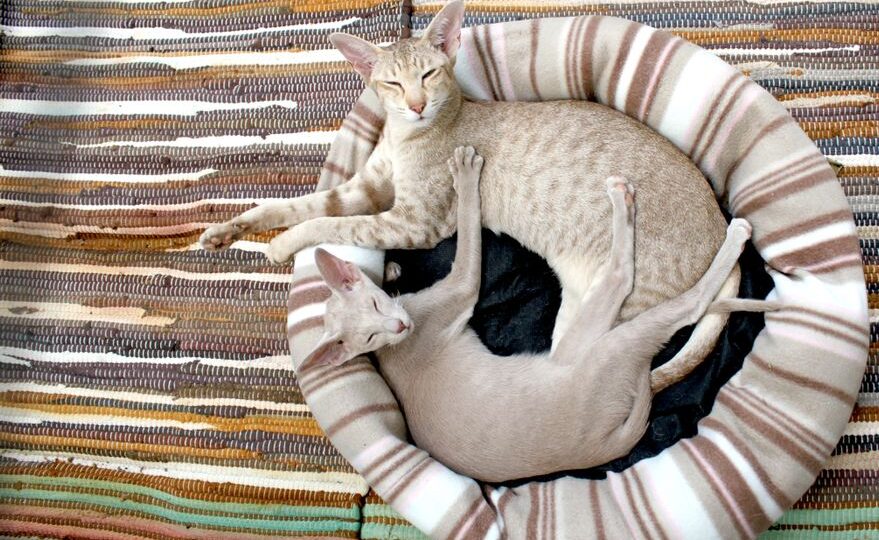
The Rise of Designer Cat Breeds
Over the past decade, the fascination with designer cat breeds has surged, capturing the hearts of feline enthusiasts across the globe. These meticulously bred cats, known for their striking appearances and unique personalities, are the result of careful crossbreeding techniques aimed at enhancing particular traits. From the majestic Savannah to the enchanting Toyger, designer breeds have transformed the cat-owning experience in 2026.
People are drawn to these breeds not just for their aesthetics but also for their specific behavioral traits. For instance, the Bengal cat, known for its wild, leopard-like spots, brings a lively and affectionate personality, making it a popular choice for those looking for a playful companion.
Understanding the Genetics
Creating a designer cat breed is no simple task. It involves intricate genetic processes to combine the desired traits of different breeds. For instance, the Savannah cat is a mix between a domestic cat and a serval, a wild African cat. This combination results in a striking appearance with large ears and a lean body, alongside a curious and energetic nature.
In 2026, advances in genetic research have made it easier for breeders to predict and select for specific traits, leading to healthier and more stable new breeds. It’s essential for prospective owners to understand the genetic background of these cats to ensure they can provide the suitable environment and care.
Caring for Designer Breeds
Owning a designer cat breed comes with its own set of responsibilities. These cats often have specific dietary, exercise, and social needs that differ from more traditional breeds. For example, the Peterbald, known for its hairless appearance, requires regular bathing and skin care to prevent oil buildup and irritation.
Additionally, some designer breeds are known for their high intelligence and require mental stimulation to prevent boredom. Interactive toys, puzzle feeders, and regular playtime are essential to keep these cats entertained and healthy.
Health Considerations
With unique breeding comes the potential for unique health issues. It’s crucial for owners to be aware of any hereditary conditions associated with their chosen breed. Regular veterinary check-ups and a proactive approach to health care can mitigate risks and ensure a long, happy life for your feline friend.
For instance, the Scottish Fold, famous for its adorable folded ears, is prone to a cartilage disorder that affects their joints. Prospective owners should discuss these concerns with breeders and veterinarians to understand the potential challenges and necessary care.
The Ethical Debate
The popularity of designer cat breeds has sparked an ongoing ethical debate. While many appreciate the beauty and uniqueness of these cats, others raise concerns about the welfare of the animals involved in breeding programs. Ethical breeders prioritize the health and well-being of their cats, ensuring that breeding practices do not compromise the animal’s quality of life.
As a responsible pet owner, it’s important to research and choose breeders who adhere to ethical practices, providing transparency about their breeding techniques and the health of their cats.
Finding Your Perfect Feline
Choosing the right designer cat breed involves considering various factors, including your lifestyle, home environment, and personal preferences. Whether you’re drawn to the exotic look of the Egyptian Mau or the hypoallergenic qualities of the Siberian breed, it’s vital to ensure that your choice aligns with your ability to meet the cat’s needs.
Visit breeders, interact with the cats, and ask plenty of questions to ensure the breed you choose will be a well-suited addition to your family. Remember, adopting a cat is a long-term commitment, and finding the right match is essential for a harmonious life together.
Takeaway: As the world of designer cat breeds continues to evolve in 2026, potential owners should prioritize understanding the breed’s specific needs, health considerations, and ethical breeding practices to ensure a rewarding and responsible pet ownership experience.