5 Cat Myths Debunked: What You Really Need to Know
Cats have been our companions for thousands of years, yet they remain shrouded in mystery and surrounded by myths. Misinformation can easily spread, leading to misconceptions that affect how we care for our beloved felines. Let’s clear the air and debunk five common cat myths that many people still believe.
The Independent Cat Myth
Cats are often labeled as aloof and independent creatures. People might say things like, “Cats don’t need humans,” or “They’re perfectly fine on their own.” While cats do exhibit a higher degree of independence compared to dogs, they still crave companionship and attention.
Research from the University of Lincoln in the UK has shown that cats form strong attachments to their human caregivers. A study conducted in 2023 found that about 65% of cats show signs of separation anxiety when left alone for extended periods. This means your feline friend values your presence more than you might think. To ensure your cat feels secure, consider interactive play sessions and a consistent feeding routine.
Cats Always Land on Their Feet
We’ve all heard the phrase, “Cats always land on their feet.” While cats are indeed agile and possess the righting reflex that helps them twist their bodies mid-air, they’re not invincible. Falling from significant heights can lead to serious injuries.
Veterinarians at the University of Florida’s Small Animal Hospital report treating numerous cases of “high-rise syndrome,” where cats suffer from broken bones and other injuries due to falls from windows or balconies. It’s essential to ensure your windows and balconies are secure to prevent such accidents. Additionally, if you live in a high-rise, consider installing screens or keeping them closed when your cat is unsupervised.
Milk is a Cat’s Best Friend
Thanks to countless cartoons and old tales, many believe that milk is a suitable treat for cats. However, most adult cats are actually lactose intolerant. Giving them milk can lead to upset stomachs, cramps, and diarrhea.
According to the American Society for the Prevention of Cruelty to Animals (ASPCA), once kittens are weaned and grow into adulthood, they lose the enzyme lactase that breaks down lactose in milk. If you want to give your cat a treat, opt for lactose-free milk or specially formulated cat milk available in pet stores.
Cats Are Nocturnal
A common belief is that cats are nocturnal creatures, preferring to roam and play at night. This isn’t entirely true. Cats are actually crepuscular, which means they are most active during dawn and dusk.
This behavior stems from their wild ancestors, who hunted during these times to avoid predators and the heat of the day. If your cat tends to wake you up at night, try engaging them in play during the early evening and offering a small meal before bed to help adjust their activity cycle.
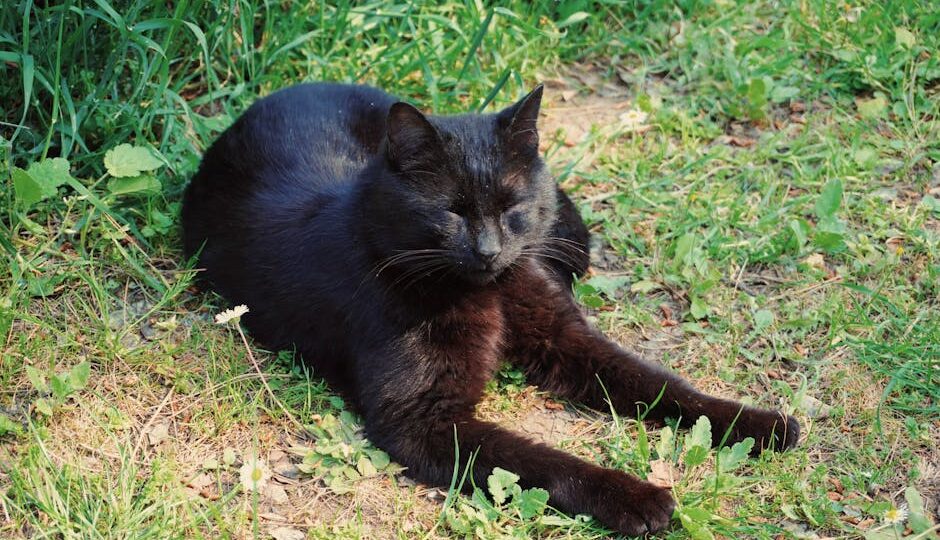
Black Cats Bring Bad Luck
The myth that black cats bring bad luck is one of the oldest and most persistent. This unfounded superstition has led to the unfortunate result of black cats being less likely to be adopted from shelters.
In reality, black cats have been revered in various cultures. In ancient Egypt, they were considered sacred and were often depicted in art. Today, shelters like the Battersea Dogs & Cats Home in London are working hard to dispel these myths, promoting black cats as the loving companions they truly are.
Practical Takeaway: Understanding Your Feline Friend
Dispelling these myths is crucial in ensuring that our cats receive the care and understanding they deserve. By knowing the truth behind these misconceptions, you can create a more enriching and supportive environment for your furry companions. Whether it’s providing the right nutrition, ensuring their safety, or giving them the love and attention they need, being informed makes all the difference.
As you continue your journey with your feline friend, keep challenging old myths and embrace the true nature of cats—a blend of independence, affection, and curiosity.