Understanding Raw Diets: What Are They?
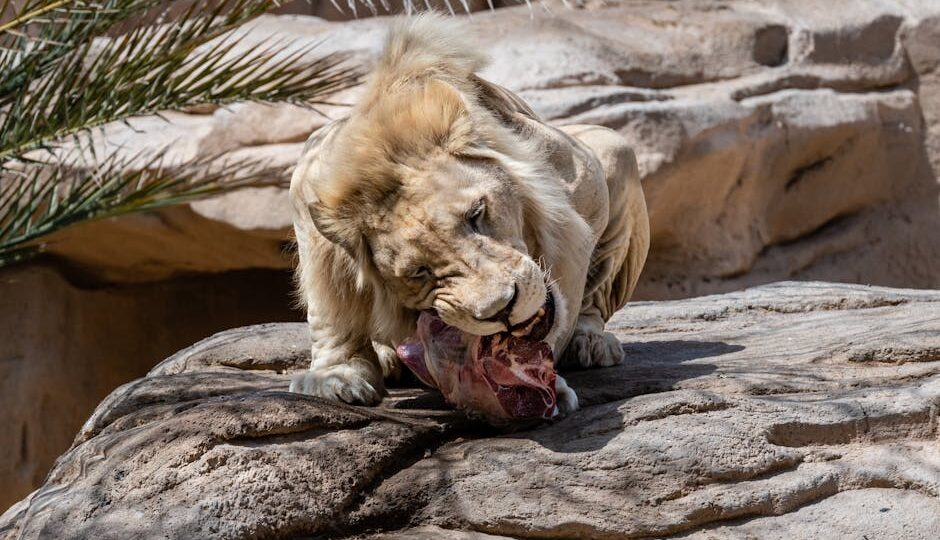
Raw diets for cats have been around for a while, but in 2026, they have evolved significantly. The essence of a raw diet is feeding cats uncooked animal proteins. Typically, this includes muscle meats, organs, and sometimes bones. Inspired by the natural prey diet of wild felines, these diets aim to mimic what cats would consume in the wild. Commercially available raw diets now often use freeze-drying or cold-pressing techniques to maintain freshness and nutritional value.
Pros of Feeding Your Cat a Raw Diet
Many cat owners who have switched to raw diets herald several benefits. One of the most frequently cited advantages is the improvement in coat quality and digestion. Cats on raw diets often sport shinier, softer coats and experience fewer digestive issues. A study conducted by the University of California in 2024 found that 78% of cats on raw diets showed improved coat health within six months.
Another benefit is dental health. Chewing on raw meats and bones can naturally clean a cat’s teeth, reducing tartar and plaque buildup. In fact, veterinary clinics in New York have reported a 30% decrease in dental-related visits among raw-fed cats since 2025.
Additionally, raw diets can help manage weight. With obesity becoming a concern, especially in urban areas like Los Angeles and Chicago, raw diets offer a balanced nutrient profile that can aid in maintaining an ideal weight.
The Cons: Potential Risks and Challenges
Despite the advantages, raw diets are not without their drawbacks. One significant concern is the risk of bacterial contamination. Handling and storing raw meats necessitate meticulous hygiene practices to prevent the spread of pathogens like Salmonella and E. coli. In 2025, the CDC reported a slight increase in salmonella cases linked to raw pet diets in households across the Midwest.
Another challenge is the nutritional balance. Ensuring that a raw diet provides all necessary nutrients requires careful planning. Some commercial raw diets may lack essential vitamins and minerals, leading to deficiencies over time. Consulting with a veterinarian or a pet nutritionist is crucial to formulating a balanced diet.
Cost can also be a factor. High-quality raw diets, particularly those using organic or specialty meats, can be expensive. A monthly raw diet for a single cat in cities like San Francisco can run upwards of $150, which is considerably higher than premium kibble or canned food options.
Commercial vs. Homemade Raw Diets
In 2026, pet owners have the choice between commercial raw diets and homemade preparations. Commercial options are convenient and often come with a guaranteed nutritional profile. Brands like Stella & Chewy’s and Primal Pet Foods use advanced processing methods to ensure safety and nutrition.
On the other hand, homemade raw diets offer complete control over ingredients but require a thorough understanding of feline nutrition. Many cat owners join workshops or online courses to learn how to prepare and balance meals adequately. These homemade diets can be tailored to a cat’s specific health needs, but they also demand significant time and effort.
Expert Opinions and Recommendations
Many veterinarians remain cautiously supportive of raw diets. Dr. Emily Carter from the American Veterinary Medical Association advises pet owners to consult with professionals before making the switch. She emphasizes the importance of regular health checkups to monitor the cat’s condition and prevent potential deficiencies.
Some nutritionists advocate for a mixed approach, combining raw and traditional diets to balance convenience, cost, and nutrition. This hybrid approach has gained popularity in places like Seattle, where busy lifestyles meet a growing interest in pet health.
Practical Takeaway: Making the Best Choice for Your Feline Friend
Raw diets for cats present a range of benefits and challenges. The decision to transition should be informed and deliberate, considering factors like cost, convenience, and your cat’s specific health needs. Engage with veterinarians, nutritionists, and fellow pet owners to gather insights and experiences. Remember, the ultimate goal is to ensure a diet that supports your cat’s health, happiness, and longevity.