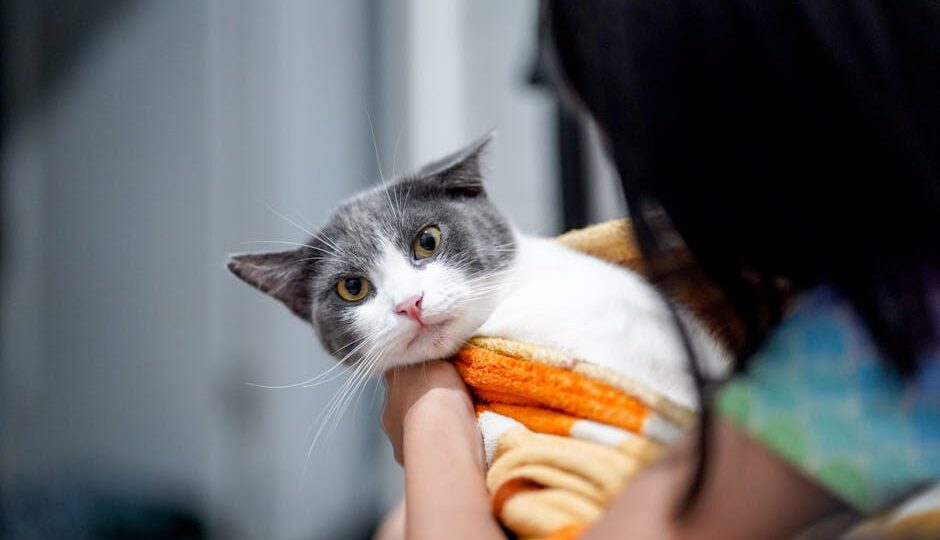
How to Help Your Cat Cope with Anxiety and Stress
If you’ve ever had a cat, you’ll know that these furry friends can sometimes be a little enigmatic. They purr contentedly one moment and skulk under the sofa the next. While cats are generally masters of self-care, they can still experience anxiety and stress just like humans. Fortunately, there are ways to help your feline friend find serenity in their daily life.
Understanding Feline Anxiety and Stress
Cats, much like humans, can feel stressed due to various environmental and situational factors. Common causes include moving to a new home, the arrival of a new pet or family member, or even changes in routine. In a bustling city like New York, even the noise can sometimes be overwhelming for them. Recognizing the signs of anxiety is the first step in helping your cat. Symptoms may include hiding, excessive grooming, and changes in appetite or litter box habits.
Create a Safe Environment
One of the most effective ways to reduce your cat’s stress is to create a safe and comforting environment. Cats need a sanctuary where they feel secure. Consider designating a quiet corner in your home specifically for your cat. Add a cushy bed and some of their favorite toys. In a busy household, especially in a family-centric neighborhood like San Francisco’s Noe Valley, having a ‘cat cave’ can make a significant difference.
Interactive Playtime
Engagement through play is not only a great way to bond with your cat but also an effective stress reliever. Spend at least 15 to 20 minutes each day playing with your cat. Use toys that mimic prey, like feathers on a string or laser pointers. These sessions can help channel your cat’s energy and reduce anxiety. Recently, studies from the University of Melbourne have shown that interactive play can decrease stress levels in domestic cats by as much as 40%.
Aromatherapy and Calming Products
Just as aromatherapy can soothe humans, certain scents can help calm your cat. Products like Feliway, which mimic feline facial pheromones, can be sprayed in your home to create a sense of familiarity and peace. Additionally, calming collars infused with lavender and chamomile might also help your cat feel more relaxed. In the cozy apartments of London’s Camden Town, these products have become quite popular among cat owners looking to provide a calming atmosphere.
Consider Professional Help
If your cat’s anxiety seems overwhelming, seeking professional help may be necessary. A veterinarian or an animal behaviorist can offer guidance tailored to your cat’s specific needs. They may recommend behavioral therapy or medication in more severe cases. In cities like Toronto, where pet care services are abundant, finding a professional to help your stressed cat can be a game-changer.
Consistent Routine and Positive Reinforcement
Cats are creatures of habit. They thrive on routine. Try to feed and play with your cat at the same times each day. This consistency can provide your cat with a sense of stability. Positive reinforcement, such as treats or praise when they show calm behavior, can also help reduce anxiety. Cats living in dynamic urban environments like Tokyo can especially benefit from the predictability of a routine amidst the city’s buzz.
Helping your cat cope with anxiety and stress requires patience and understanding. By creating a soothing environment, engaging them with interactive play, and maintaining a consistent routine, you can significantly improve their quality of life. Remember, each cat is unique, and what works for one might not work for another. Keep observing and adjusting your approach, and soon enough, your feline companion will be purring in contentment once more.