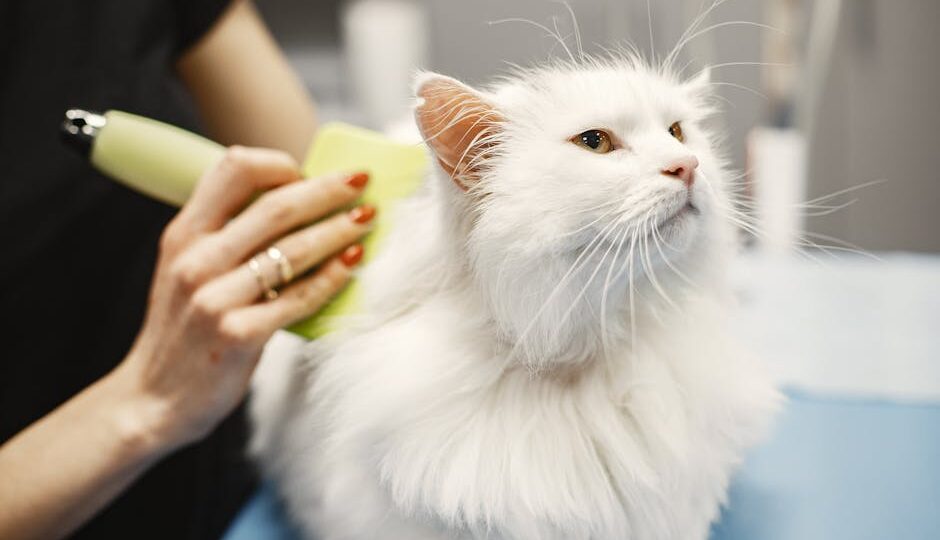
8 Essential Tips for Grooming Your Long-Haired Cat
Long-haired cats like Persians, Maine Coons, and Ragdolls are known for their stunning, luxurious coats. However, these beautiful locks come with a commitment to regular grooming to keep them healthy and tangle-free. Here are eight indispensable tips to ensure your feline friend’s fur stays fabulous.
Brush Regularly
Brushing your long-haired cat isn’t just about aesthetics; it’s an essential aspect of their health routine. Ideally, you should aim to brush your cat every day. This helps in preventing mats and tangles, which can become painful for your pet. Use a brush that’s specifically designed for long-haired cats, such as a wide-toothed comb or a slicker brush.
Take the example of Lucy, a majestic Maine Coon from San Francisco. Her owner, Emma, brushes her while she’s lounging on her favorite windowsill every morning. This routine not only keeps Lucy’s coat in pristine condition but has also become a bonding time for them. So, find a time that works for both you and your cat, and make it a daily ritual.
Invest in Quality Tools
The right grooming tools can make a world of difference. A comprehensive grooming kit for long-haired cats should include a slicker brush, a metal comb, and a de-shedding tool. Brands like Furminator offer specialized products that cater specifically to cats with voluptuous fur. Quality tools might cost a little more initially, but they last longer and are more effective, making them a worthwhile investment.
Consider visiting a local pet store in your area, perhaps Petco or PetSmart in Los Angeles, where knowledgeable staff can guide you through the best choices for your feline’s needs.
Keep Up with Nail Trimming
Nail trimming is often overlooked in grooming routines, but it’s crucial, especially for indoor cats. Long-haired cats often use their nails to groom themselves, and if those nails are too long, they can cause unintentional damage to their beautiful fur. Aim to trim your cat’s nails every 10-14 days. If you’re new to this, your veterinarian or a professional groomer can demonstrate the safest way to trim without causing stress to your pet.
Remember the case of Max, a charismatic Ragdoll from New York City. His owner, Paul, noticed a significant improvement in Max’s coat condition once he started regular nail trims.
Monitor Fur Condition and Skin Health
While brushing, pay attention to your cat’s skin and fur condition. Look out for signs of irritation, dryness, or any unusual lumps. Long-haired breeds are prone to skin issues that can be exacerbated by tangles and poor grooming habits. If you notice anything out of the ordinary, consult your vet sooner rather than later.
Consider Bella, a Persian who resides in the bustling city of Chicago. Her owner, Rachel, discovered a skin irritation early thanks to her diligent grooming routine, which allowed for a quick and effective treatment plan.
Bathing is Sometimes Necessary
While cats are famously self-cleaning, long-haired breeds occasionally need a little help. Bathing a cat might sound daunting, but with patience and practice, it doesn’t have to be a nightmare. Use a cat-specific shampoo to maintain the pH balance of their skin. Depending on your cat’s lifestyle and coat condition, a bath every few months might be necessary.
Amanda from Austin gives her Persian cat, Oliver, baths every quarter. She recommends starting with short baths and gradually increasing the time as your cat gets accustomed to the process.
Diet and Hydration Influence Coat Health
A balanced diet plays a significant role in the health of your cat’s coat. High-quality cat food, rich in omega-3 and omega-6 fatty acids, can enhance coat sheen and manage shedding. Additionally, ensure your cat has access to fresh water at all times; hydration is key to maintaining a healthy, shiny coat.
Consider visiting a local vet or a pet nutritionist to discuss the best dietary options for your long-haired cat. In cities like Seattle, numerous pet health centers offer consultations to help you navigate the vast world of pet nutrition.
Regular Vet Check-ups
Routine vet visits are essential for all pets, but long-haired cats, with their predisposition to certain health issues, might need a little extra attention. During these visits, your vet can check for any skin conditions or health concerns that might be impacting your cat’s coat.
Take Molly from Denver, a striking Norwegian Forest Cat, whose owner, Nathan, schedules vet check-ups every six months. These visits help ensure Molly’s coat remains as splendid as ever.
Understand Your Cat’s Individual Needs
Finally, remember that every cat is unique. While these tips offer a general guide, your cat might have specific preferences or needs. Take the time to observe and understand your cat’s grooming habits and adjust your routine accordingly. Some cats might prefer grooming sessions in the morning, while others might be more cooperative after a meal or playtime.
By tuning into your cat’s individual needs, like Jessica does with her beloved Siamese mix, Leo, from Portland, you can create a grooming routine that keeps your cat happy and healthy.
Grooming a long-haired cat is a commitment that goes beyond maintaining their majestic appearance. It’s about ensuring their well-being and strengthening your bond with them. With patience and these essential tips, you’ll keep your feline friend purring with satisfaction.