Why Declawing Cats is Controversial and What Alternatives Exist
Cat lovers worldwide are increasingly aware that owning a feline friend involves more than just providing food and shelter. It’s about understanding their behaviors and needs — scratching included. Declawing, once seen as a simple solution to protect furniture, has become a hotly debated topic. So, why is it controversial, and what can cat owners do instead?
The Declawing Debate: Understanding the Controversy
Declawing, or onychectomy, involves the amputation of the last bone of each toe on a cat’s paw. Comparable to removing a human’s finger at the last knuckle, this procedure is more than just a nail trim. For years, it was considered a routine procedure in the United States, driven largely by convenience.
However, attitudes have dramatically shifted. Animal welfare organizations, such as the Humane Society and the American Veterinary Medical Association, have highlighted the physical and behavioral consequences of declawing. Cats can suffer from chronic pain, lameness, and behavioral changes, including increased aggression and refusal to use litter boxes. These issues stem from the significant alteration of their anatomy, affecting their natural ability to walk and interact with their environment.
In 2025, the state of New York took a bold step by banning declawing entirely, joining several Canadian provinces and European countries where the practice is illegal. The decision reflects a growing consensus that declawing is a painful and unnecessary procedure.
Scratching: A Natural Behavior with Purpose
To understand why declawing is so controversial, it’s essential to recognize that scratching is a natural behavior for cats. It’s not just about marking territory or keeping claws sharp. Scratching helps cats stretch and exercise, maintain claw health, and communicate with other animals.
Consider this: a cat’s claws are integral to their identity. Imagine being unable to use your hands fully — it’s much the same for a declawed cat. This innate behavior is why simply removing the claws isn’t a straightforward solution.
Exploring Alternatives: How to Coexist with Feline Claws
Fortunately, there are numerous alternatives to declawing that allow for a harmonious relationship between cats and their human companions. Here are some strategies:
- Regular Nail Trimming: By keeping a cat’s claws trimmed, you can significantly reduce the damage they cause. It requires some patience and training but can become a bonding experience with practice.
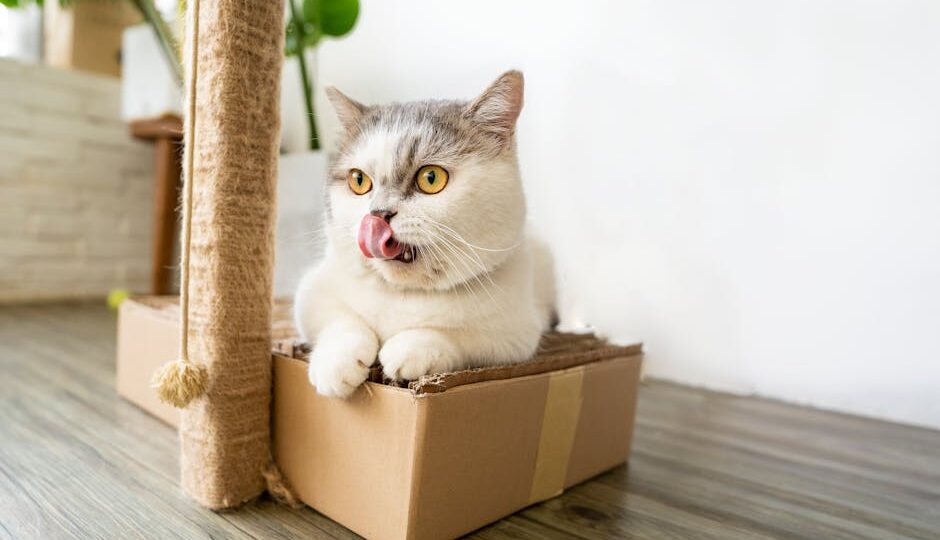
- Scratching Posts and Pads: Providing various scratching surfaces can redirect your cat’s natural behavior. Place posts strategically, like near favorite resting spots, and consider different textures to find what your cat prefers.
- Soft Claw Covers: Products like Soft Paws are plastic caps glued onto a cat’s nails. They prevent damage without affecting the cat’s ability to retract their claws. The caps typically last for four to six weeks before needing replacement.
- Behavioral Training: Positive reinforcement can teach cats where they can and cannot scratch. Use treats and praise to encourage use of appropriate scratching surfaces.
Success Stories: Communities Embracing Change
Across the globe, communities are embracing these alternatives with encouraging results. In San Francisco, where declawing has been banned since 2009, a survey in 2024 found that over 75% of cat owners felt more informed about cat behavior and reported fewer issues with destructive scratching.
Meanwhile, in Paris, cat-friendly cafes have become hubs for educating pet owners about scratching and claw care. These initiatives are fostering environments where cats can thrive without the need for declawing.
Making Informed Decisions for Your Feline Friend
Choosing not to declaw requires commitment and understanding, but it’s a decision that benefits both cats and their owners. By opting for alternatives, you respect the natural behaviors of your feline companion and contribute to a broader movement promoting animal welfare.
As of 2026, many veterinarians stress the importance of considering each cat’s individual needs. Consult with a vet who understands feline behavior, ideally one who can offer a range of solutions tailored to your specific situation.
Ultimately, knowing that there are effective, humane options available means that loving your cat doesn’t have to come at the expense of their well-being. By embracing alternatives, you ensure that your furry friend not only lives a happier, healthier life but also enriches yours with their natural charm and personality.
Practical Takeaway: Understand and respect your cat’s need to scratch by providing appropriate outlets. Remember, a happy cat is a clawed cat, and there are many ways to manage their behavior without resorting to declawing.