The Subtle Art of Meowing
Cats are masters of vocal communication, and their meows are not just random sounds. In 2026, we’re diving deeper into the nuances of feline vocalizations. Cats have specific meows that indicate different needs or emotions. A short, soft meow might be a greeting, while a long, drawn-out meow could indicate annoyance or impatience. With advancements in AI, apps like MeowTalk have been improved to translate and interpret these vocalizations, allowing cat owners to better understand their feline friends.
The Power of Body Language
A considerable portion of feline communication is non-verbal. Observing your cat’s tail, ears, and posture can reveal much about their feelings. A high, twitching tail is often a sign of happiness, while a low, puffed-up tail indicates fear or aggression. Understanding these subtle cues can prevent misunderstandings and improve the bond between you and your cat. With 2026’s focus on enhancing human-animal relationships, many workshops are being offered in cities like New York and Los Angeles to teach cat owners the intricacies of feline body language.
Facial Expressions: The Unspoken Signals
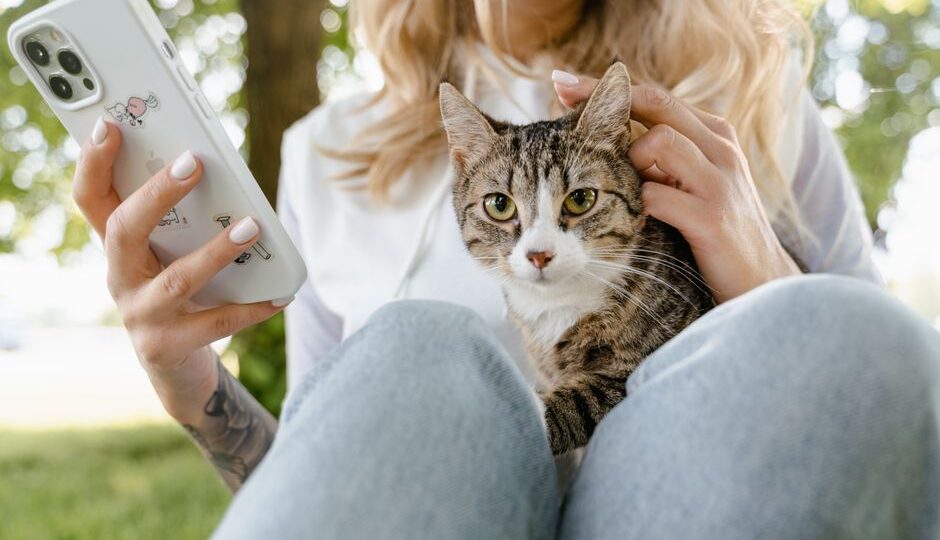
Though cats are often thought to have inscrutable faces, they actually communicate a lot through facial expressions. Squinting can be a sign of affection, while wide-open eyes might indicate surprise or curiosity. Technology in 2026 has brought us facial recognition software that helps interpret these expressions, giving us deeper insights into our cats’ emotional states. Pet owners in tech hubs such as San Francisco are already embracing these tools to foster closer connections with their pets.
Smell: The Invisible Communicator
Cats primarily rely on their sense of smell to understand the world around them. They use scent marking to communicate with other cats and establish territory. In 2026, synthetic pheromone diffusers have become popular to help calm stressed cats and reduce territorial conflicts, especially in multi-cat households. Available in pet stores across the globe, these diffusers work by mimicking the natural pheromones that cats produce.
Understanding Your Cat’s Purring
While it’s common knowledge that cats purr when they’re content, purring can also signify other emotions such as pain or distress. Researchers in 2026 have identified over ten different types of purrs, each with unique frequencies and purposes. This year, veterinarians are recommending that cat owners pay close attention to the context of their cat’s purring to better understand their health and happiness.
The Future of Human-Cat Communication
As we continue to learn more about the intricate ways cats communicate, the future looks bright for human-cat relationships. In 2026, universities like the University of Edinburgh are investing in cat communication research, aiming to create new tools and technologies to bridge the gap further. This evolving field promises not only to enhance our understanding but also to enrich the lives of our beloved feline companions. Engaging with these advancements can lead to a more harmonious and fulfilling coexistence with our cats.
Practical Takeaway: By learning to decode your cat’s language, you can strengthen your relationship and ensure their needs are met. Take the time to observe and listen to your cat, and consider using technology to aid in communication. This will lead to a happier, healthier life for both you and your feline friend.