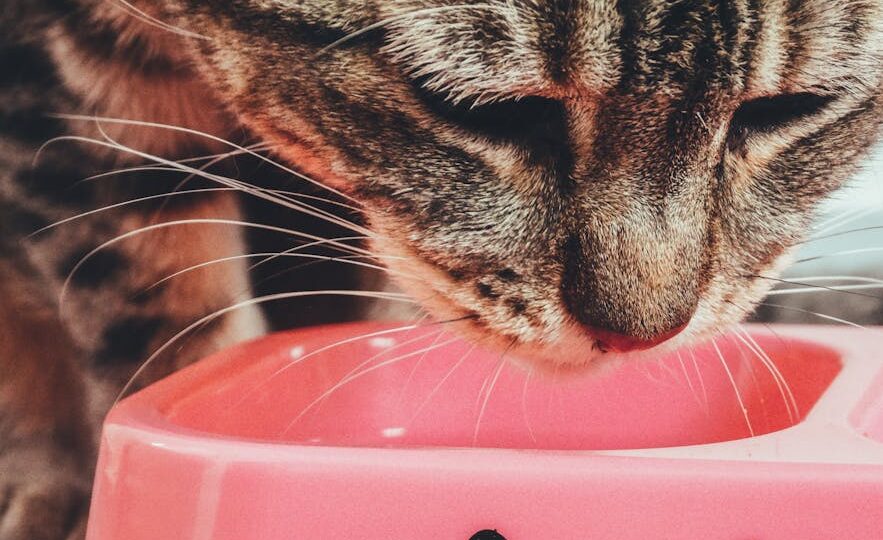
The Ultimate Guide to Cat Nutrition: What to Feed Your Feline in 2026
As we step into 2026, the world of cat nutrition has continued to evolve, offering more options and insights than ever before. As a devoted cat owner, ensuring that your beloved feline gets the right nutrients is crucial for their health and happiness. Feeding your cat isn’t just about filling their bowl; it’s about understanding what goes into their food and why it matters. Let’s dive into the key aspects of cat nutrition today.
The Importance of Protein: A Feline Essential
Cats are obligate carnivores, meaning they require a diet rich in protein to thrive. Their bodies are designed to digest and utilize animal-based proteins efficiently. In 2026, high-protein diets remain at the forefront of feline nutrition. The Association of American Feed Control Officials (AAFCO) recommends a minimum of 26% protein for adult cats in dry foods.
This doesn’t mean your cat should eat just any protein. Quality matters. Brands like Orijen and Acana provide high-quality, grain-free options that emphasize whole prey nutrition. Whether it’s chicken, turkey, or fish, ensure the protein source is clearly listed as the first ingredient on the food label. This is crucial for providing essential amino acids like taurine, vital for heart health and vision.
Grains and Fillers: Friend or Foe?
In recent years, there’s been a debate over the role of grains in cat food. While some nutritionists argue that grains can provide energy, others highlight potential allergies and intolerances. In 2026, the consensus leans towards minimal grain content, focusing instead on more digestible carbohydrates like sweet potatoes and peas.
Brands such as Blue Buffalo and Wellness have introduced grain-free formulas that cater to cats with sensitive stomachs. These foods often replace traditional grains with nutrient-rich alternatives, ensuring your cat gets the energy they need without the risk of digestive upset.
Understanding the Role of Fats
Fats are often misunderstood in pet nutrition. Essential fatty acids, particularly omega-3 and omega-6, are crucial for maintaining a healthy coat, promoting cognitive function, and supporting the immune system. The balance of these fatty acids can influence inflammation and overall health.
Look for cat food brands that include sources of these essential fats. Ingredients like fish oil or flaxseed are excellent choices, providing your cat with the necessary nutrients to keep their skin and fur in top condition. A 2026 study from the University of California, Davis, found that diets with a balanced fat profile significantly reduced the incidence of dry skin and dandruff in cats.
Homemade vs. Commercial Diets: Finding the Right Balance
The trend of feeding homemade diets to pets has gained momentum. However, creating a nutritionally complete homemade diet can be complex. Ensuring that meals meet the full spectrum of your cat’s nutritional needs requires precise knowledge and resources.
For those venturing into homemade meals, consulting with a veterinary nutritionist is essential. They can help tailor a diet plan that includes the right mix of proteins, fats, vitamins, and minerals. Conversely, premium commercial cat foods are formulated to be nutritionally complete, offering a convenient and safe alternative for cat owners wary of the complexity of homemade feeding.
Treats and Supplements: The Cherry on Top
While treats should never replace a balanced diet, they can be a delightful addition to your cat’s day. Opt for treats that complement their dietary needs, avoiding those high in sugars and artificial additives. Freeze-dried meat treats, such as those from Stella & Chewy’s, are a popular choice in 2026 for their simplicity and high protein content.
Supplements, on the other hand, can address specific health concerns. Joint supplements with glucosamine and chondroitin aid older cats in maintaining mobility. Probiotics can support digestive health, especially in cats prone to gut issues. Before introducing any supplement, it’s prudent to consult your veterinarian to ensure it aligns with your cat’s health profile.
Practical Takeaway: Crafting the Perfect Diet
Feeding your cat in 2026 is about more than just following trends. It’s about understanding their unique needs and crafting a diet that supports their lifestyle and health. Prioritize high-quality, protein-rich foods with minimal fillers, and consider their age, activity level, and any specific health conditions.
Whether you choose commercial diets or homemade meals, the goal remains the same: providing balanced nutrition that keeps your feline friend thriving. A healthy diet is a path to a happy, active, and long life for your cat.