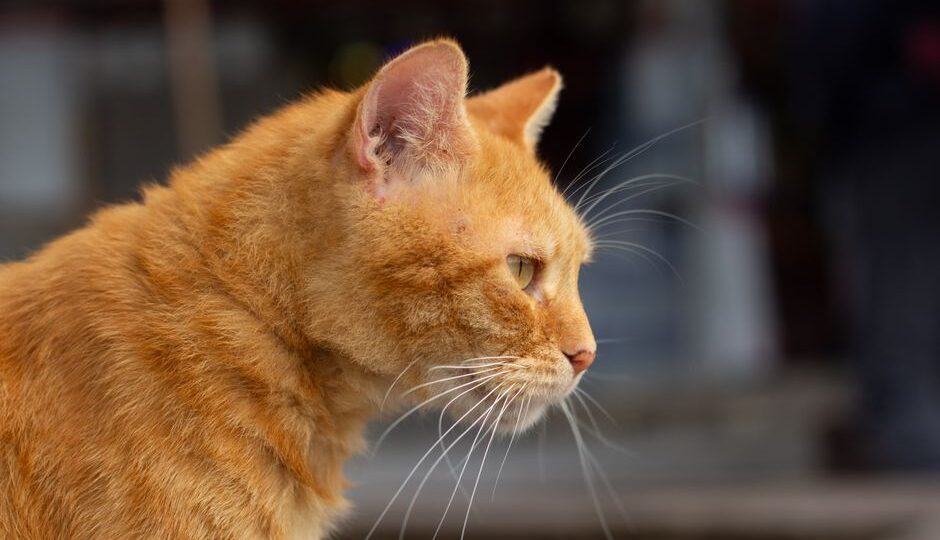
As we move into 2026, the world of cat care is ever-evolving, with a growing focus on enhancing the lives of our senior feline companions. Cats are living longer, healthier lives thanks to advancements in veterinary medicine and a better understanding of their needs. However, older cats often require a bit more attention and care to ensure they remain happy and comfortable in their golden years. Let’s explore some practical tips and insights into nurturing your senior cat in 2026.
Recognizing the Signs of Aging
Just like humans, cats exhibit various signs of aging. Around age seven, many cats are considered senior, though some might not show it until they’re a bit older. It’s crucial to recognize these signs early to provide the best care possible.
- Behavioral Changes: Senior cats might become less active or seem disoriented. They could also become more vocal, especially at night.
- Physical Changes: Look for signs such as weight loss, changes in appetite, or alterations in their coat’s appearance. Arthritis is common in older cats, leading to stiffness or difficulty jumping.
- Cognitive Changes: Cognitive dysfunction syndrome can affect aging cats, leading to confusion or altered interaction with family members.
Diet Matters: Tailoring Nutrition for Seniors
As cats age, their nutritional needs change significantly. Ensuring your senior cat has a proper diet is vital for maintaining their health.
- High-Quality Proteins: Senior cats require more protein to support muscle mass. Opt for easily digestible proteins while avoiding excessive carbohydrates.
- Hydration is Key: Older cats are prone to kidney issues, so keeping them hydrated is crucial. Consider incorporating wet food into their diet or investing in a pet water fountain to encourage drinking.
- Specialty Senior Formulas: Look for cat foods specifically formulated for senior cats, which often contain essential nutrients like omega-3 fatty acids, glucosamine, and antioxidants.
Creating a Senior-Friendly Environment
Adapting your home to cater to a senior cat’s needs can greatly improve their quality of life. Small changes can make a big difference.
- Accessible Litter Boxes: Ensure litter boxes are easy to access, with low sides for easier entry. Consider placing multiple boxes around the home to prevent accidents.
- Comfortable Resting Areas: Senior cats love warm, soft spots. Provide plenty of cozy beds at ground level to prevent strain from jumping.
- Stimulation and Safety: Older cats might not be as playful, but they still need mental stimulation. Interactive toys and safe outdoor spaces like a catio can give them gentle exercise and enjoyment.
Routine Vet Checkups: A Must for Seniors
Regular veterinary care is crucial for senior cats. Annual checkups are no longer sufficient; consider bi-annual visits to catch any health issues early.
- Blood Work and Screenings: Regular tests can monitor kidney function, thyroid levels, and other vital health indicators.
- Dental Care: Dental health is often overlooked but vital for preventing infections that can complicate other health issues.
- Pain Management: Consult your vet about ways to manage arthritis or other age-related discomforts your cat might face.
The Emotional Connection: Enhancing Their Quality of Life
Beyond physical health, emotional well-being plays a significant role in a senior cat’s life. Here’s how you can nurture this bond.
- Routine and Consistency: Cats thrive on routine. Maintaining a consistent schedule for feeding, playtime, and rest can help reduce stress and anxiety.
- Gentle Interactions: While some cats become more affectionate with age, others might prefer solitude. Respect their boundaries while still offering gentle affection.
- Quality Time: Spend time with your senior cat, whether it’s through quiet companionship or gentle play. This strengthens your bond and enriches their life.
By paying close attention to the unique needs of your senior cat, you can ensure they live a comfortable and fulfilling life in their later years. Create a harmonious environment, provide the right diet, and maintain regular veterinary checkups to support them every step of the way.
Practical Takeaway: As your cat ages, adapt your care approach to meet their evolving needs, focusing on nutrition, environment, and emotional well-being. Through attentive care, you can greatly enhance their quality of life and share many more joyful years together.