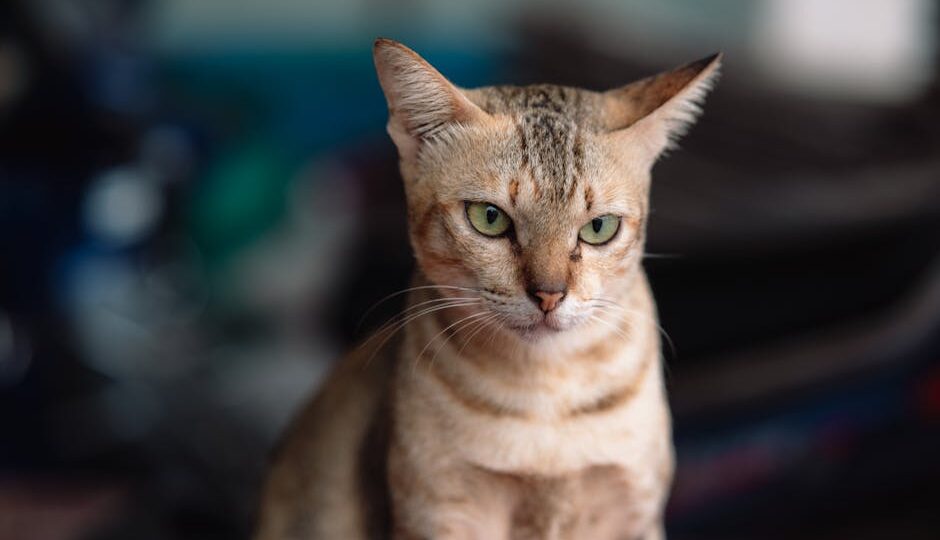
10 Signs Your Cat is Secretly Unhappy and How to Fix It
Cats are curious creatures, known for their independent spirits and enigmatic behaviors. While they might not always show it, your feline friend could be harboring feelings of unhappiness. Understanding these subtle signs can make a world of difference in improving their well-being and strengthening your bond.
1. Sudden Changes in Appetite
If you notice your cat’s appetite has changed suddenly, it could be a sign of distress. While some cats might eat less, others might overeat, much like humans do when they feel stressed or anxious. This can be caused by a myriad of reasons, from boredom to physical discomfort.
To address this, start by ensuring your cat’s diet is well-balanced and appealing. Try introducing new types of food or flavors to spark their interest. Observing feeding times and offering meals in puzzle feeders can also mentally stimulate your cat, decreasing boredom-related stress.
2. Excessive Grooming or Lack of Grooming
Cats are typically fastidious groomers, but excessive grooming could indicate they’re trying to comfort themselves due to anxiety or discomfort. Conversely, a lack of grooming can suggest depression or a physical ailment.
If you notice bald patches or unkempt fur, it’s time to consult your vet. They can rule out any medical conditions and offer advice on reducing stressors. Enrich your cat’s environment with toys, scratching posts, and designated quiet zones to help them feel safer and more engaged.
3. Changes in Litter Box Habits
Inappropriate urination or defecation can be one of the clearest signs of feline unhappiness. Cats are creatures of habit, and any deviation from their usual bathroom routine can signal distress.
First, ensure the litter box is clean and placed in a quiet, accessible area. Sometimes, a change in litter type, box location, or even the box itself can trigger anxiety. If the problem persists, consult a veterinarian to exclude any medical issues, such as urinary tract infections.
4. Aggression or Withdrawal
Uncharacteristic aggression or withdrawal from social interactions can indicate your cat is feeling threatened or unhappy. They might swat, bite, or hide more often.
Observe your cat’s interactions and identify any potential stressors, such as new pets, changes in household dynamics, or even loud noises. Providing a safe and comforting environment and maintaining a routine can help your cat feel more secure. Additionally, consulting with a feline behaviorist might provide insights specific to your cat’s needs.
5. Increased Vocalization
While some cats are naturally talkative, an increase in vocalization without an obvious reason can be a sign of distress. This might include more frequent meowing, howling, or even chirping.
Pay attention to the context when your cat vocalizes. Are they trying to express hunger, discomfort, or loneliness? Engaging with your cat more often, providing interactive play sessions, and ensuring they have steady companionship can help alleviate their distress.
6. Loss of Interest in Play
Play is an essential part of a cat’s life, providing mental and physical stimulation. If your cat suddenly loses interest in their favorite toys or activities, it may suggest they’re feeling down.
Try rotating toys to maintain novelty or engage in new types of games that might appeal to your cat’s hunting instincts. Laser pointers, feather wands, and motorized toys can rejuvenate their interest in play.
7. Changes in Sleeping Patterns
Cats are notorious for their long naps, but significant changes in their sleeping habits can indicate unhappiness. They might sleep more due to depression or less due to stress.
Ensure your cat has a comfortable sleeping area that is safe and free from disturbances. If insomnia or excessive sleep persists, a vet checkup can help rule out any underlying health issues.
8. Unusual Postures or Movements
Body language is crucial for cats. Unusual postures, such as crouching low or flattening ears, can indicate discomfort or fear.
Observe their behavior as they move through familiar environments. If your cat seems hesitant or defensive, it may be time to reassess their surroundings for potential stressors. Creating safe, elevated spaces and maintaining a predictable routine can provide comfort.
9. Excessive Scratching
Scratching is normal for cats, but if it’s excessive or directed at inappropriate surfaces, it could be a sign of unhappiness. Cats often scratch more when they’re stressed or anxious.
Introduce more scratching posts around the home, especially near areas where they often scratch. These posts should be stable and covered with materials they enjoy scratching, like sisal or cardboard. Engaging them in daily play can also help expend energy positively.
10. Excessive Hiding
While some cats are naturally reserved, excessive hiding might indicate your cat is feeling threatened or unwell. This behavior is often a protective mechanism against perceived threats.
Ensure your cat has safe spaces to retreat to but encourage gradual socialization to reduce fear. Using calming pheromones and maintaining household harmony can help them feel more at ease.
Practical Takeaway
Understanding the subtle signs of feline unhappiness requires patience and keen observation. By addressing these signs early, with changes to diet, environment, and routine, you can improve your cat’s quality of life. Regular vet visits and behavior consultations also play a crucial role in ensuring their happiness. Remember, a happier cat means a happier home for everyone.