The Rise of Eco-Friendly Cat Products
As we become more conscious of our environmental footprint, sustainable living has extended to every aspect of our lives, including how we care for our cats. In 2026, eco-friendly cat products are not just a trend; they are a reflection of a growing commitment to green living. Brands like EcoCat and GreenPaws are leading the charge with products made from recycled materials and biodegradable ingredients. From cat litter made of compressed sawdust to toys crafted from recycled fabric, these innovations are making a big purr on the planet.
Eco-Conscious Cat Litter Choices
Traditional clay-based litters are notorious for their environmental impact, consuming vast amounts of resources and contributing to landfill waste. In 2026, cat owners are increasingly opting for sustainable alternatives. Plant-based litters, such as those made from wheat, corn, or even coconut husks, are biodegradable and often flushable, making them a cleaner choice for both your home and the environment. The popular brand, LushLitter, reports a 35% increase in sales of their corn-based litter over the past year, emphasizing the shift in consumer preferences.
DIY Cat Toys: Fun for Your Cat, Good for the Earth
Why buy when you can DIY? Making your own cat toys from materials you already have at home reduces waste and is a fun, creative activity. Scraps of fabric can be transformed into colorful mice, while a simple cardboard box can be turned into an adventurous cat castle. Join the community of crafty cat lovers on platforms like EcoPetDIY, where tutorials and ideas are shared daily, all focused on minimizing waste while maximizing fun.
Sustainable Cat Food: What’s on the Menu?
Pet food production is a significant contributor to environmental issues due to its resource-intensive nature. In 2026, the spotlight is on sustainable cat food options. Brands such as GreenBite and NatureNoms are turning to insect-based proteins and lab-grown meats to provide nutritious options with a lower environmental impact. Not only are these foods sustainable, but they are also meeting all of your feline’s dietary needs, ensuring that your cat stays healthy while you help save the planet.
Adopt, Don’t Shop: A Sustainable Approach to Cat Ownership
Adopting a cat from a shelter is an inherently sustainable choice. By providing a home to a cat in need, you reduce the demand for commercial breeding operations, which often contribute to overpopulation. Adoption centers across the globe are seeing an uptick in interest, as more potential pet owners recognize the eco-benefits of choosing a rescue cat. In fact, the Global Feline Welfare Organization reports a 20% increase in cat adoptions over the past two years, a trend that shows no signs of slowing down.
Creating a Green Space at Home for Your Cat
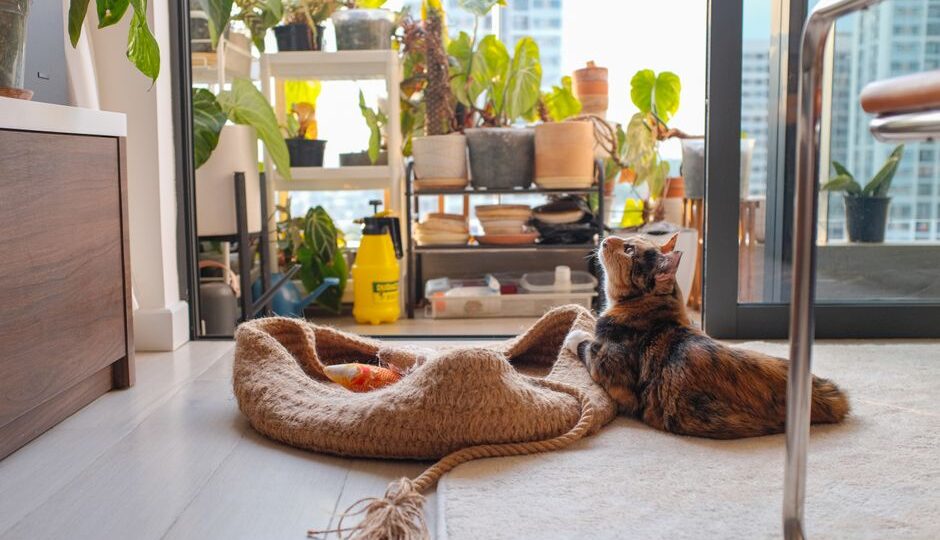
Our homes can be sanctuaries of sustainability for both humans and cats. Consider setting up a green space for your feline friend with houseplants that are safe for cats, such as spider plants and cat grass. These not only enhance the aesthetic of your home but also improve air quality and provide enrichment for your cat. Additionally, investing in energy-efficient appliances and lighting helps reduce your household’s carbon footprint, creating a healthier environment for everyone.
Practical Takeaway: Embracing sustainable practices in cat care is easier than ever in 2026. By choosing eco-friendly products, engaging in DIY projects, and adopting rescue cats, you can reduce your environmental impact while providing a high-quality life for your feline friend. Remember, every small change counts towards a greener planet.