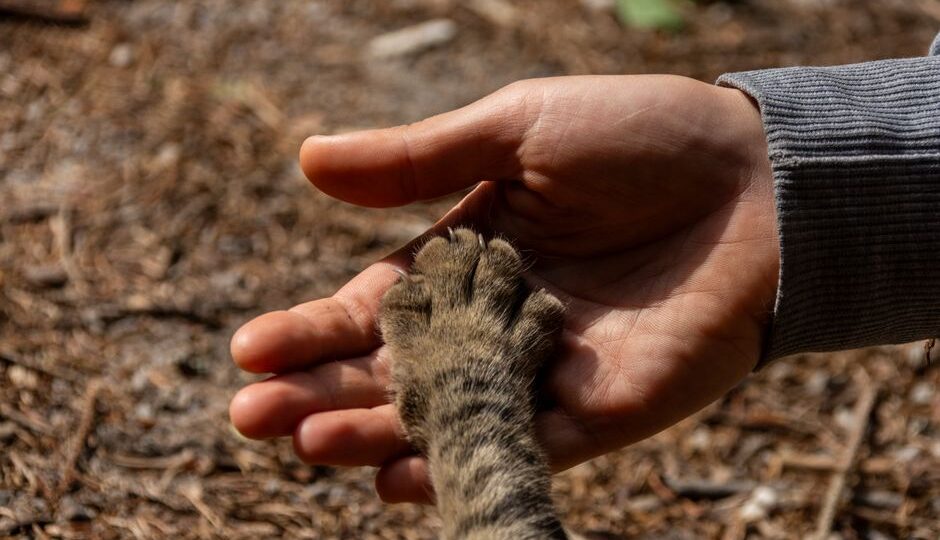
The Unseen Healers: Cats and Emotional Well-being
In 2026, the world has embraced the calming presence of feline companions as more than just cute roommates. Cats have taken on a significant role in mental health support, providing unique benefits to those struggling with anxiety, depression, and loneliness. Their intuitive nature and instinctual behaviors can have profound effects on human emotions.
Consider Sarah, a young woman living in bustling New York City. She often recounts how her cat, Luna, has become her daily anchor. Luna’s soft purring and gentle nudges have turned into a form of therapy, easing Sarah’s anxiety after a hectic workday.
Why Cats? Understanding Their Therapeutic Potential
While dogs have long been lauded for their therapeutic abilities, cats’ subtler methods of interaction can be equally, if not more, effective for certain individuals. Their independence gives them an air of mystery that, paradoxically, can be comforting.
Cats are naturally empathetic. Their keen senses allow them to detect changes in their owner’s mood, often prompting them to offer comfort through close physical proximity or gentle purring. This connection can lead to a reduction in stress hormones and an increase in the production of serotonin, the body’s natural mood stabilizer.
Creating the Purr-fect Environment
For a cat to effectively support mental health, the environment needs to be conducive to their unique set of needs. Ensuring that your home is a sanctuary not just for you but for your feline friend is crucial.
- Safe Spaces: Cats need their own retreats, away from noise and busyness. Creating cozy spots with soft bedding and ample climbing opportunities can help them feel secure.
- Sensory Enrichment: Introducing elements such as cat-friendly plants like catnip or interactive toys can stimulate your cat’s mind, keeping them engaged and happy.
- Routine Care: Regular feeding schedules, grooming, and litter box maintenance are essential in maintaining your cat’s trust and comfort.
Cat-Assisted Therapy: Emerging Practices
In 2026, cat-assisted therapy programs have become more structured and widely available. These programs leverage the unique abilities of cats to provide comfort and companionship in therapeutic settings. This might include visiting therapy cats in mental health facilities or community centers where individuals can experience the calming influence of a feline friend.
Furthermore, virtual therapy sessions have been enhanced with cat interactions. Therapists have recognized that clients often open up more freely when a cat is present, whether it’s their own pet or a virtual presence that encourages a relaxed atmosphere.
Stories of Transformation
Consider the story of Michael, a veteran who struggled with PTSD and found solace in his cat, Oliver. The unconditional companionship offered by Oliver helped Michael reconnect with his emotions, something traditional therapies struggled to achieve. Such stories are not isolated; they reflect a growing recognition of the therapeutic alliance between humans and cats.
Another notable mention is ‘Feline Friends’, a community initiative in Los Angeles that pairs rescue cats with individuals undergoing therapy or rehabilitation. The program has shown remarkable success rates in improving participants’ emotional well-being.
Takeaway: Embrace the Feline Connection
As we move forward in 2026, embracing the profound impact that cats can have on mental health is more important than ever. Whether through formal therapy programs or in the quiet comfort of your own home, these whiskered wonders can offer invaluable support. Recognize the power of their presence, nurture your bond, and let your cat be your silent therapist in this ever-evolving world.